


UK and Lithuanian schools reap the benefits of working collaboratively
Mike Carter, Managing Director at Tyn Can Learning, a UK based educational supplier and consultancy, recaps the trip to schools and library’s he arranged for Gintarė Jurgaitienė and Vaiva Lipnevičiūtė, teachers from Vilniaus Balsiu Pagrindine Mokykla.
Having recently returned from Vilnius where I delivered lectures and workshops about the way the UK supports the use of digital technologies in the classroom, I am pleased to be able to promote collaboration between the UK and Lithuania. The visit to the North East of England will allow a greater dialogue and exchange of personnel between the UK and Lithuania and hopefully the rest of Baltic region.
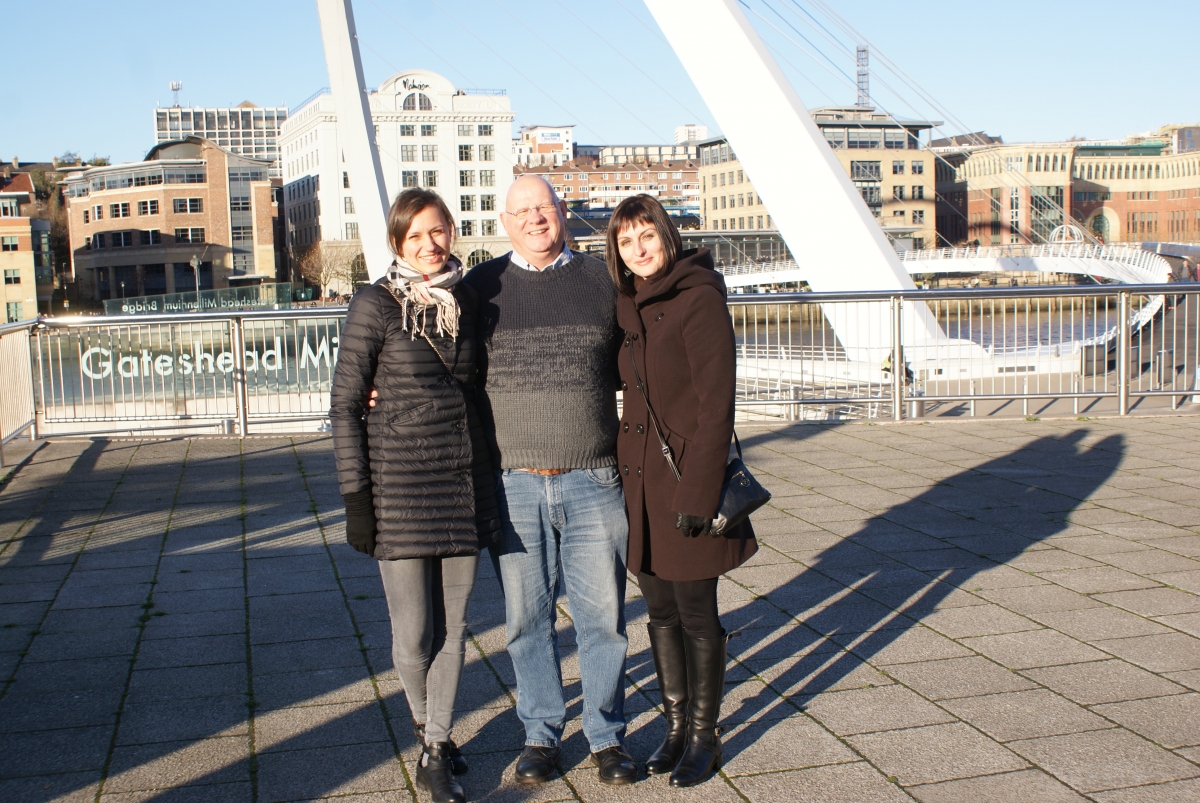
Teachers from the capital city of Lithuania, Vilnius, visited the North East schools in the week of 24th November 2014, to discover how schools use technology and how they ensure that children with special educational needs are included in the curriculum. They discussed with school staff how to include the outdoor environment to stimulate learning. The teachers visited schools in Sunderland, Newcastle, Northumberland and Gateshead. During the week-long visit the teachers looked at how school and council libraries cater for the educational needs of children.
In Sunderland they visited St Mary’s Primary school where they were given a tour of the school by head teacher, Mrs Lucie Stephenson. The teachers saw how the school was organised and how the pupils were encouraged to be independent. The school is developing a forest school onsite which will allow children to experience nature.
In Newcastle, the teachers visited Gosforth East and Central Middle schools where they had an opportunity to look around the facilities afforded young children, including the library, dining hall and the sports hall. They spent time in the library discussing how children used the facilities and how the library was an integral part of the school. It provides a formal teaching space for lessons but also doubles up as an area within the school where pupils can take time out and read in peace and quiet.
The librarian at Gosforth East provides internet access for children but is also responsible for the digital technologies within the school. This means that classes are able to take out sets of tablet computers, digital cameras and other equipment.
Part of the visit included a trip to The Dales School in Blyth, Northumberland, where they were shown how support is provided to children with special educational needs and their families. The teachers had the opportunity to talk to staff who outlined how they help the children to communicate and become independent.
The school staff demonstrated how they and care staff monitor the progress of the pupils in an effort to better support their learning.
On the school site there is a residential facility which the visiting teachers were given a tour of. The facilty provides respite care for children and acts as an educational resource to develop social skills. Ambient sounds and soothing lighting help to positively stimulate children which is why the school has a sensory room onsite for pupils.
Dryden School, in Gateshead, also welcomed the visiting teachers to look at its facilities for children with disabilities. The visit coincided with the school annual Christmas celebrations and gave the opportunity to see the wonderful decorations the children had made.
The school demonstrated the different equipment it has to ensure the care and wellbeing of the children. One of the pieces of equipment on show was its specialist lift which enables staff to provide support to the children.
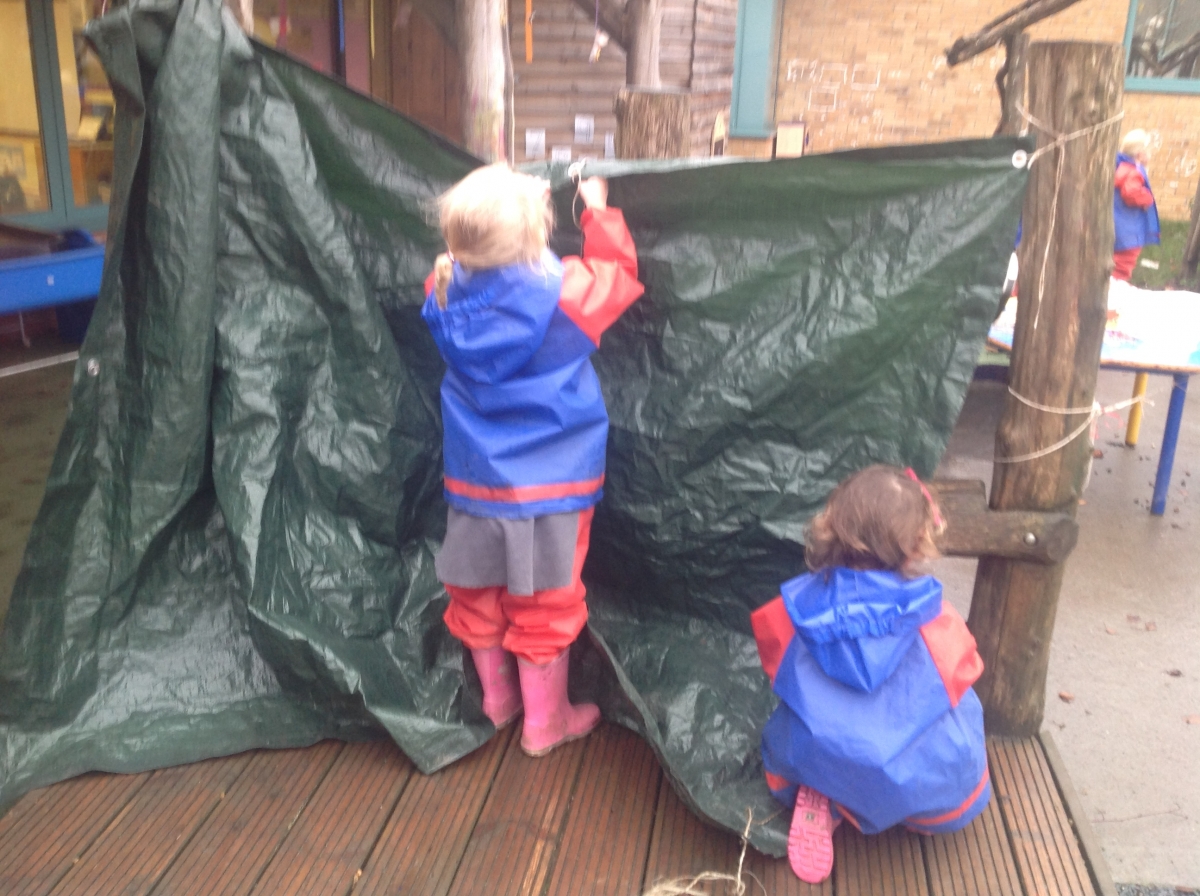
On the final day of the trip the teachers went to George Washington School where they saw how a primary school had been able to develop close links with the community and provide a stimulating environment for learning by extensive use of the outdoor space. The school benefits from its own swimming pool which is a unique asset, also used by the community.
Children at the school are encouraged to be independent and the younger pupils are given the opportunity to make decisions for themselves about how they construct their world.
They are taught that their decisions may have negative consequences and are encouraged to think about what they decide and learn from their actions.
The school is developing an area of land within the grounds to promote the idea of ‘forest schools’ giving pupils access to the world around them.
As well as being able to see different schools and talk to other teachers the visiting group spent time looking around The Seven Stories National Centre for Children’s Books. Here original artwork and manuscripts - from first scribbles to finished books are used to create innovative exhibitions and popular events.
The centre celebrates how books are made, where they come from and how we can enjoy and share them.
After a tour of the Newcastle University School of Education Communication and Language Sciences department the teachers were introduced to Education Psychologist Dr. Richard Parker. Together they discussed ways in which teachers can better support children with autism.
At the school’s iLab the visitors explored digital research programs being carried out by the University and were shown how sensors attached to everyday items can be used to help people with dementia. The sensors can be especially helpful in the kitchen and the teachers used the system to follow instruction on how to bake scones.
The system worked so well that they successfully followed both audio and onscreen instruction to choose the correct utensils and ingredients to make the scones. And the finished results were good enough to eat and in fact very delicious.
The Lithuanian teachers were invited to a give a seminar to the Education Doctorate course, led by Dr Pam Woolner. The students were keen to hear about the Lithuanian education system and how schools and staff worked within it, highlighting differences in the way education is delivered in the UK.
The final day of the trip finished at Gateshead Library, a facility for the whole community. It offers a wide range of books for young and old and boasts an extensive collection of audio and visual material which can be loaned out to members of the community.
The Library has particular areas which cater for the needs of the whole community from young readers to teenage and young adult reluctantreaders through to older members of the community and those who may need help looking for jobs or carrying out particular research. The library’s extensive local archive can be made available for use as well as a contempory space to exhibit art work.
Whilst they were here, the staff from Vilnias Balsiu Pagrindine Mokykla had time to sample the North East's renowned culture, hospitality and stunning landscapes.
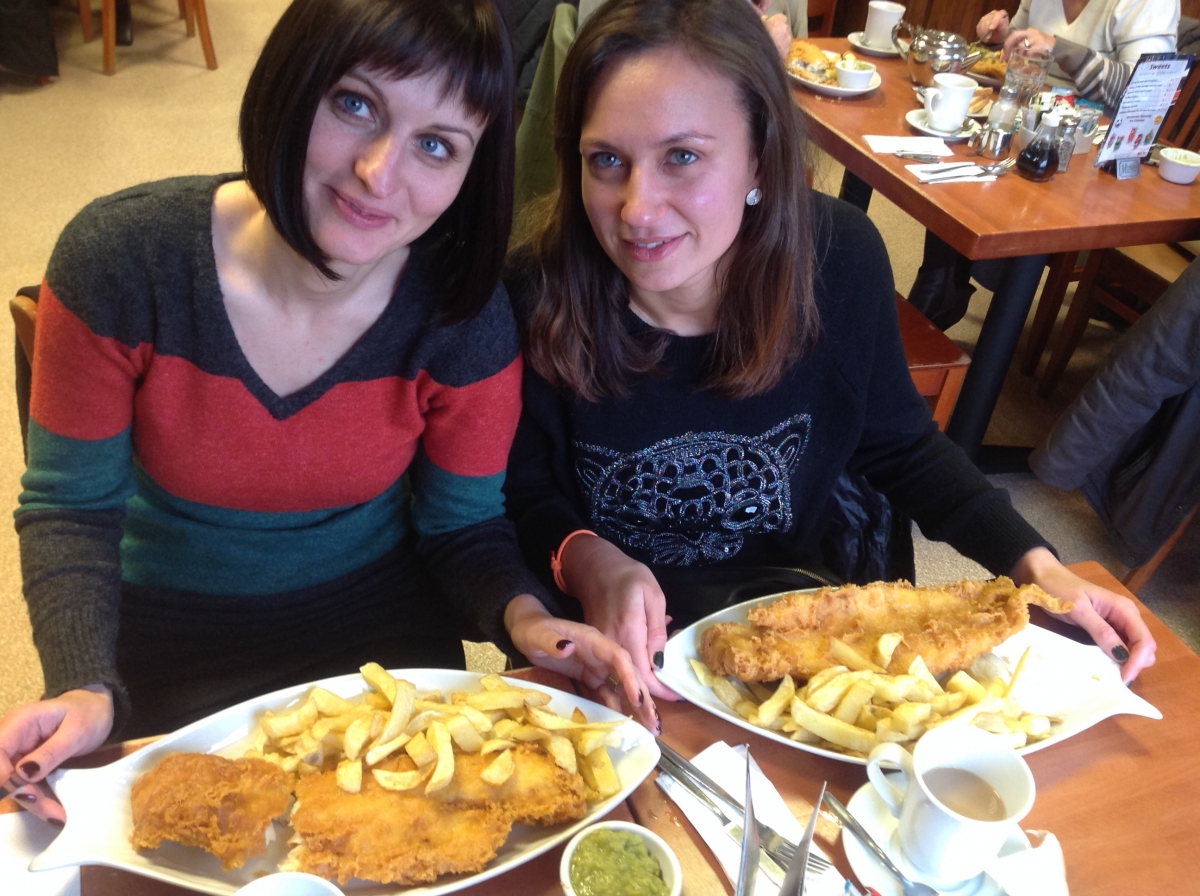
They enjoyed a trip to the Northumberland coast and sampled English fish and chips from the quayside at North ShieldsThe teachers from Lithuania have since sent me some of their reflections on the visit: "Firstly, we are very lucky to get such an opportunity to visit schools in the UK. The whole trip was really good and beneficial not only for our own job experience, but for our cultural competency and development. We would like to say a special thank you to Mike Carter, Managing Director at Tyn Can Learning, whose organisation of the activities allowed us to meet all our expectations and more. The main purpose of the visit was to look at good educational practice and to then share our experiences with our colleagues. Upon returning to our school we gave a presentation on what we’d experienced and asked our fellow teachers to consider the examples of good practice we saw and decide if these would be suitable ideas for our school.
Our administration staff are excited about St Mary’s Primary School's headteacher who made a point of waiting at the gate in the morning before school started to greet everyone coming to school and they promised to start such a tradition in our school as soon as possible.
The second good example from UK schools that we experienced was the idea of outdoor learning. We came back from this visit full of inspiration to begin to put into practice outdoor learning in our school especially in primary classes following what we’d witnessed at both St Mary’s and Dryden school.
The idea of forest schools in the UK is something amazing and when we saw how this can be linked with gardening and pupils growing their own vegetables we thought it would be a good idea to adopt. The sensory rooms we saw at the special schools we visited, (The Dales School in Blyth, Dryden School in Gateshead) are an example of how we can equip our spaces for the special educational needs of children in our school.
One of our expectations was to visit school libraries and to compare them with our own library. So after seeing all the examples in Gosforth East and Central Middle School libraries, The Seven Stories National Centre for Children’s Books, Gateshead Library and the Newcastle University library our librarian (one of the teachers on this visit) has already started to make our library here at Balsiu Pangrinde Mokykla more colourful. She has also started to divide it into different spaces for readers, homework and to equip it with some tablet computers, cameras and other digital equipment which can then be loaned out to classes.
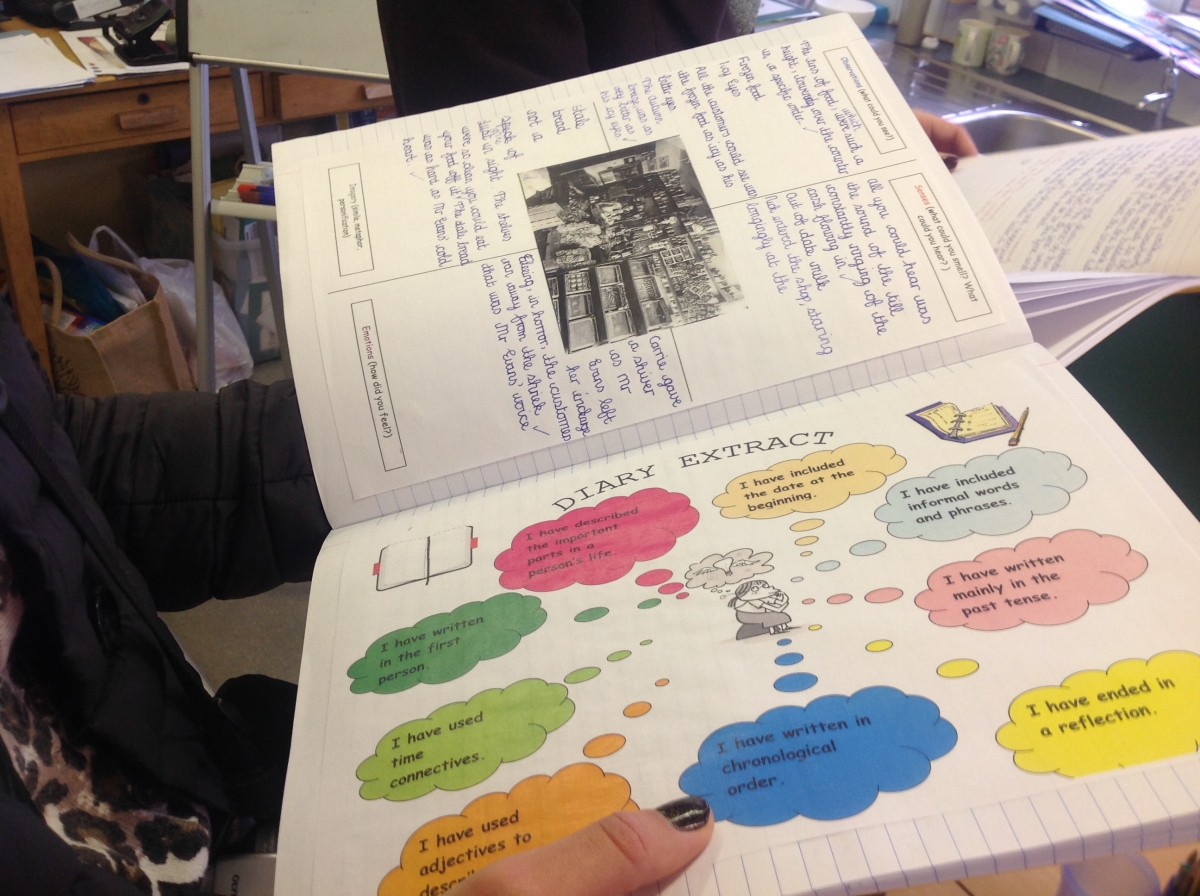
Activities we took part in at Newcastle University were a great experience, which has broadened the teachers’ social competency. We were able to discuss and share our experiences and we’ve increased our knowledge about autism. Thanks to some excellent resources, which we have shared with our colleagues, we all understand that we need to learn and understand more about autistic children.
Furthermore, we had an exciting and fun time baking scones in the iLab. We have been offered the resources and the program that we used. We’re very much looking forward to using it with our own staff and pupils.
This visit to schools in the North East of England has been memorable. We visited some amazing schools and met some superb colleagues. We returned to Lithuania with a changed outlook concerning the way we teach and with some lots of ideas to use with our pupils. Our own practice has improved significantly with our desire to learn also increasing because of this visit.”
This is the beginning of collaboration between Newcastle and the North East of England with Vilnius and Lithuania, which will provide an excellent environment to develop knowledge and understanding about the two cultures and its people.
The second visit to the North East by teachers from Vilniaus Balsiu Pagrindine Mokykla will be in March 2015 and we look forward to welcoming them to our city.
For more information contact
Tyn Can Learning at
Tel: +44(007949293995
Email:[email protected]


