


Lithuanian London Based Artists Present Their Work at Beaconsfield
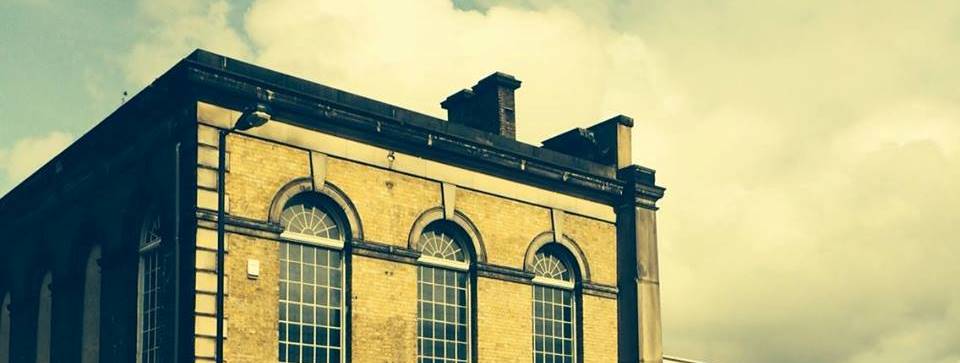
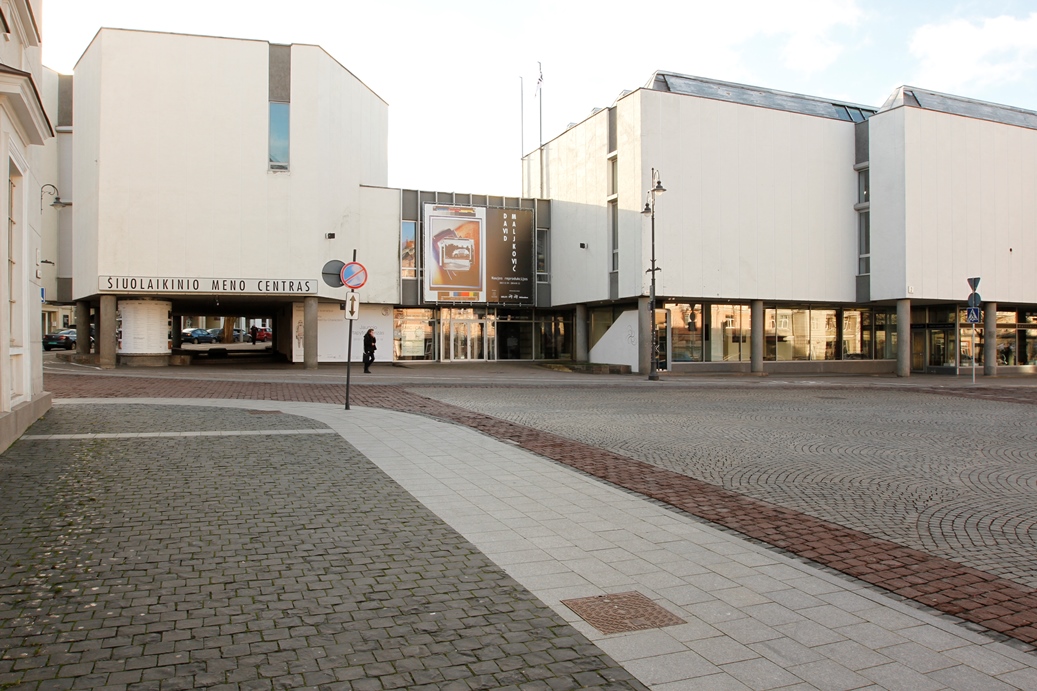
Lithuania’s Contemporary Art Centre in Vilnius is internationally known for the strength of its excellent programme developed since Lithuania re-established its independence in 1990. Following a recent research trip, Beaconsfield is delighted to renew its longstanding connection with the Vilnius art scene by opening the Lithuanian Embassy’s Winter portfolio review to a wider audience. Monday 2 February at 6.30pm at Beaconsfield, 22 Newport Street, SE11 6AY London
Selected presentations by London-based Lithuanian artists Jonas Lozoraitis, Ulijona Odišarija, Lidija Kononenko, Sandra Stanionytė and Paulina Eglė Pukytė will be followed by a talk with curators Virginija Januškevičiūtė and Monika Lipšic CAC Vilnius http://cac.lt/en moderated by Naomi Siderfin. RSVP Cultural Attaché Rita.Valiukonyte@urm.lt or FACEBOOK https://www.facebook.com/events/387943808044784/387943811378117/?notif_t=like
About the artists:
Lidija Kononenko is a London-based artist, working predominantly in still and moving photographic image, combined with text in written or spoken form. In 2013 she graduated from University of the Arts London with 1st Class BA Photography, with her work entering Michael G Wilson’s collection. In 2014 Kononenko was selected for FreshFaced + WildEyed exhibition at The Photographers Gallery, London, and received a Mentoring Programme Award. In 2012, her book 23.04.09-27.12.11 was displayed at D Book Show in Finnish Museum of Photography, Helsinki. This piece was also featured on Self Publish Be Happy platform, and copies were sold internationally.
Jonas Lozoraitis is currently interested in modes of production and mediation of experiences originating within the everyday as affected by contemporary technology. He lives and works in London, New York and Vilnius while studying at Goldsmiths, University of London. His work was recently exhibited at Bucharest National Museum of Contemporary Art, Microscope Gallery NYC, Signal Gallery NYC and published as part of the publication Like There’s No Tomorrow among others.
Ulijona Odišarija is a graduate of Lithuanian Music And Theatre Academy. She is currently doing her Master degree in fine art media at the Slade School of Fine Art in London. Ulijona Odisarija's work is led by sensibility that resolves itself in its most necessary medium. Often it’s photography, music and moving image. She is looking for a moment when recognisable objects loose their purpose, like a word repeated many times in a row loses its meaning and becomes a sound.
Paulina Eglė Pukytė is an artist, author, essayist, and cultural commentator. She lives and works in London and Vilnius. She graduated from the Vilnius Academy of Art, and received a Master’s degree from the Royal College of Art in London. In 2001- 2003 and 2006 she was a guest lecturer at the Vilnius Academy of Art Kaunas Art Institute. In her visual art practice she mostly works with moving image and found artefacts. She has shown her work in numerous group shows and over a dozen solo shows including two at the Vilnius Contemporary Art Centre (in 2001 and 2006). She writes for the cultural weekly 7 meno dienos (7 Days of Art, www.7md.lt), and contributes to other publications in Lithuania; in 2007 she received the Ministry of Culture award for the urgency of her articles. She published a collection of essays and two fiction books, which were shortlisted for The Book Of The Year Award and The Most Creative Book By A Lithuanian Author Award.
Sandra Stanionytė is a research based artist using different medium, exploring the boundaries of performance, video, photography and sculpture. Usually her work is strongly related and based on the philosophy, which she describes as a inspirational source. ‘Philosophy and its knowledge is the complex of thoughts that inspires me, confronts and brings new ideas which challenge me, guide me through the creative process.’ In the artwork of Sandra Stanionyte instability and transformation is treated as a constant factor. Her work usually derives from the kind of ‘inner self’ observation and from questioning surroundings
as daily life concepts.


