


At an International Colloquium in London Historians Discussed Jewish History and the Holocaust in Lithuania
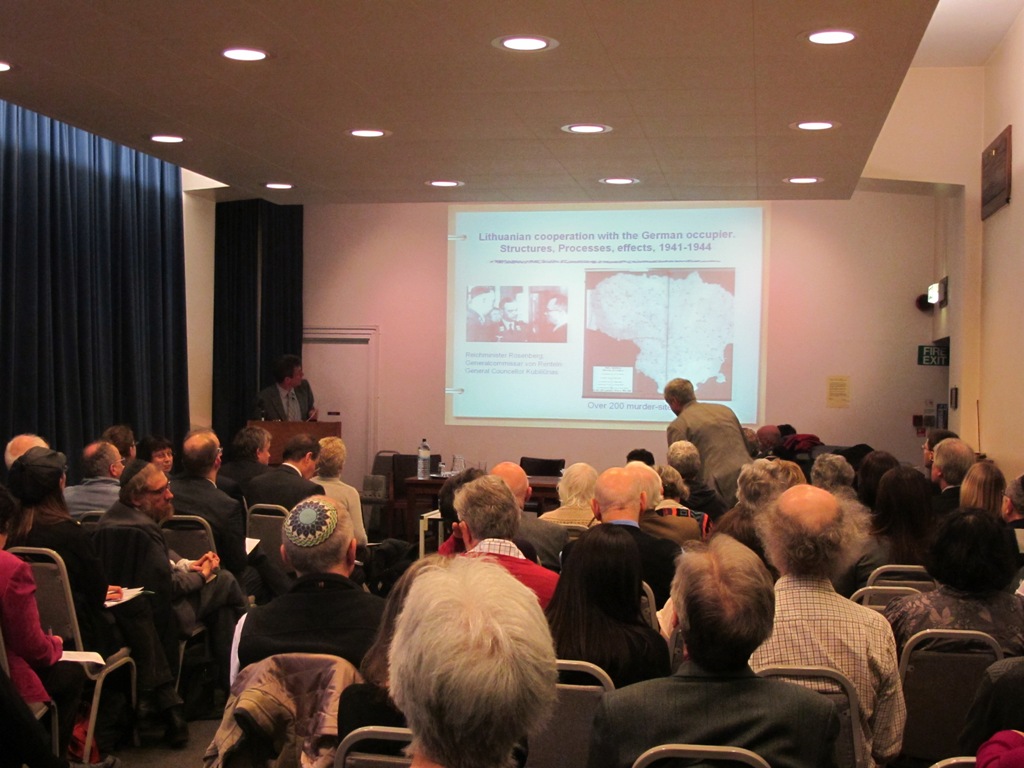
The research on the history of Lithuania’s Jews, as well as on the Holocaust, that has taken place for over ten years in Lithuania is little known to researchers from other countries, not to mention the general public. The London colloquium "No Simple Stories: Jewish-Lithuanian Relations Between Coexistence and Violence" was held at UCL 6-7 February 2011, so that this research would become known to a wider academic community and the general public outside of Lithuania. The academic colloquium was organized by the Institute of Jewish Studies, University College London and the Institute of Lithuanian History.
Among the participants of the conference were well-known scholars working on the history of East European Jews and World War II: Prof. Antony Polonsky (USA), Prof. Saulius Sužiedėlis (USA), Dr. Joachim Tauber (Germany), prof. Heinz-Dietrich Löwe (Germany) and others.
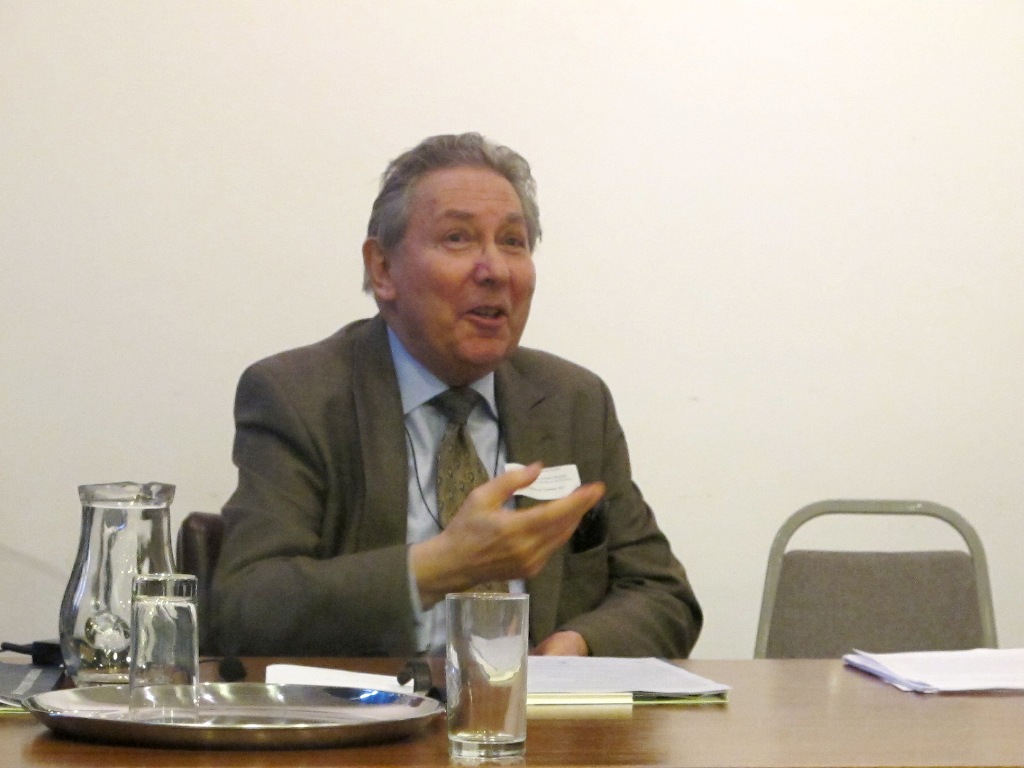
Professor Antony Polonsky
The historians taking part in the conference presented a concentrated amount of material regarding research on the Jewish history and the Holocaust in Lithuania which gave rise to intense debate.
In three panels, historians discussed some of the most relevant aspects of mutual cultural perceptions, the emergence of growing economic competition, but also of political cooperation at the end of the 19th century and at the beginning of the 20th century. The history of the shortlived recognition of Jewish national minority rights in the interwar period was discussed in detail, as was the growth of anti-Semitic sentiment in the fourth decade of the 20th century. These perspectives served as highly relevant background to the discussion of the breakdown of Lithuanian civil society facing first Soviet and then German occupation. The final panel addressed in detail Lithuanian involvement in the annihilation of the Lithuanian Jewish community, perpetrated during the German occupation.
The workshop was marked by intense discussions among the invited speakers, and the audience, which reached 100 people on both days of the conference. The convenors of the workshop, as well as the participating experts, hope to publish the proceedings.
The discussion “Why is it still difficult to speak about the Holocaust in Lithuania today” with a panel of historians which had the aim of addressing the situation in present-day Lithuania took place in non-academic environment. The discussion highlighted the need for political will in marginalizing anti-Semitism, solving the legal problems of the Lithuanians and the Jews, as well as the importance of dialogue in examining and recognising each other’s histories – that of the Jews and the Lithuanians.
The colloquium has been accompanied by a series of cultural events, which is a collaborative effort of the Lithuanian Embassy in London, Spiro Ark and West London Synagogue and reflects an ongoing research of the Litvak’ legacy, reflections and discussions about the tragic events of the 20th century.
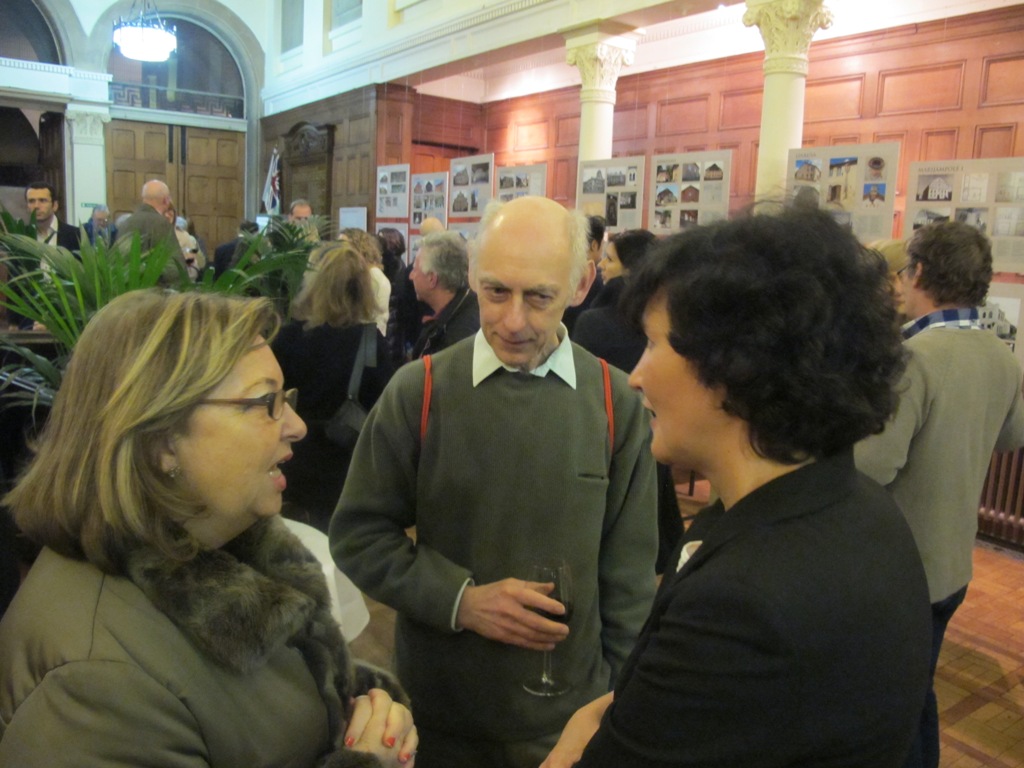
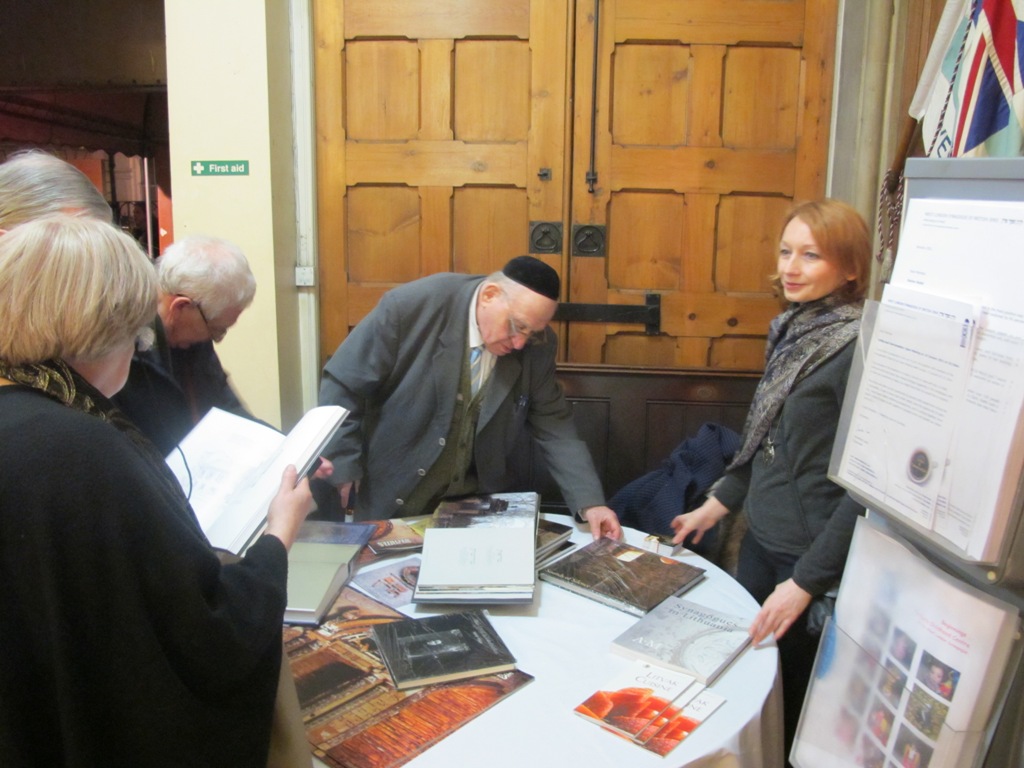
The exhibitions "The Synagogues of Lithuania" and "The Sounds of Silence" opened during the series of events. The Vilner Klezmorim - Borisas Kirzneris, Petras Vyšniauskas, Raimondas Sviackevičius and Arkadijus Gotesmanas – gave a concert at the West London Synagogue, and the mezzo-soprano Liora Grodnikaitė sang Jewish folk songs.
"No Simple Stories" ended with the films "I Leave My Child to You" and "The World Was Ours: The Jewish Legacy of Vilna" screened at the Imperial War Museum, the Jewish Museum and the West London Synagogue.
2011 by the Lithuanian Parliament is announced a Year of the Memory of Holocaust Victims in Lithuania.


